
She enjoys visiting museums and She has a deep interest in history. It was a bright weekend morning when She stepped into the War Remnants Museum. Tourist buses rushed in and out of the gates, carrying groups of visitors from all corners of the world. This was not her first time here, yet every visit left her with the same lingering sorrow. The war had ended, but its echoes, its scars, seemed to breathe here more vividly than anywhere else.
Some of her clients once confessed they could not bring themselves to walk through this place. They had left Vietnam as children, when their homeland was still wrapped in gunfire and grief. They did not wish to reopen the wounds of a bitter childhood.
The museum is ranked among the most meaningful places to visit in Vietnam. As a local, She could not help but feel a mingling of pride and sadness. Pride in the sacrifices of past generations who had given us peace, and sadness for the immeasurable price they paid. The white dove of peace, so often symbolic, had once been drenched in blood and tears.
Climbing from one floor to another, She caught the mournful gazes of international visitors- eyes that seemed to ache with unspoken grief. The exhibits were relentless: guillotine machines once used in “tiger cages,” reconstructed prison screams echoing through dark rooms, photographs of children and blood-soaked revolutionaries. Tortures too cruel to imagine. Victims maimed for life by Agent Orange. Every step through the museum was a wound reopened, yet also a lesson etched deeper into the soul.
The war ended only forty-nine years ago, on April 30, 1975 – Liberation Day. How fortunate we are to be born in peace. The museum’s guestbook is always full, each page carrying words too raw to summarize. Outside, military aircraft and tanks stand in silence for visitors’ cameras. Walking on the gravel near the tiger cages, she could almost hear the cries of prisoners, souls that still seemed to echo in despair and fury.
The museum is always crowded – groups, individuals, foreigners and locals alike – yet silence reigns inside. People read the captions, study the photos, their faces heavy with sorrow. For many, it is the most moving stop in their journey through Vietnam’s history. Sitting on a stone bench, she looked at the image of a devastated tropical forest, trees burned into ash, life erased. And still, despite the devastation, the spirit of the Vietnamese endured – unyielding, indomitable. That spirit was victory itself. Each visit here fills her with strength, and with gratitude for the nameless sacrifices of the past. She thought of General Võ Nguyên Giáp, of President Hồ Chí Minh, of countless unnamed soldiers who refused to bow before their enemies. That, she told herself, is the spirit she must carry.
Hỏa Lò Prison in Hanoi stirred emotions just as haunting. She saw how prisoners wasted away into skeletons, their ankles shackled, their hands chained, confined in damp, airless cells where disease was left to fester and women endured unspeakable hardships. The guillotine stood in the center of a room as a grim reminder, alongside whips, iron rods, and cages. Human dignity was stripped away. The invaders treated prisoners as less than animals. Communist fighters withered in hunger and sickness, yet even with death near, they whispered hope, spreading the flame of revolution.
The prison reeked of dampness, and sometimes she shivered as she neared the solitary cells, imagining lives crushed into shadows, bodies broken, spirits tormented. The explanatory texts pierced her heart, filling her with grief and fury. She had never hated war so much as in that moment – war that shattered families, split a nation, and demanded rivers of blood.
Once, brushing against an iron bar inside a dark chamber, she was bruised. It was a small wound, yet it gave her a glimpse of what they had endured. Faces of skeletal prisoners, chained and wasted, still haunted her as if their souls lingered in anger. Outside, she lit incense at the memorial for fallen heroes. Only a few steps away, the Somerset Grand Hanoi Hotel gleamed in luxury – a stark contrast to the iron gates and barbed wire of the prison. she sat beneath its eaves, gazing at a model of a prisoner digging a tunnel to escape. The hunger for freedom had never burned brighter than within those suffocating walls.
Leaving the prison, she knew she would never want to return. she honor the past, but the sorrow weighs too heavily. Unlike other war museums, Hỏa Lò always pressed a dark hand on my chest, especially when she visited at dusk, when the rooms grew silent and the shadows long. Even driving past its walls was enough to stir painful memories.
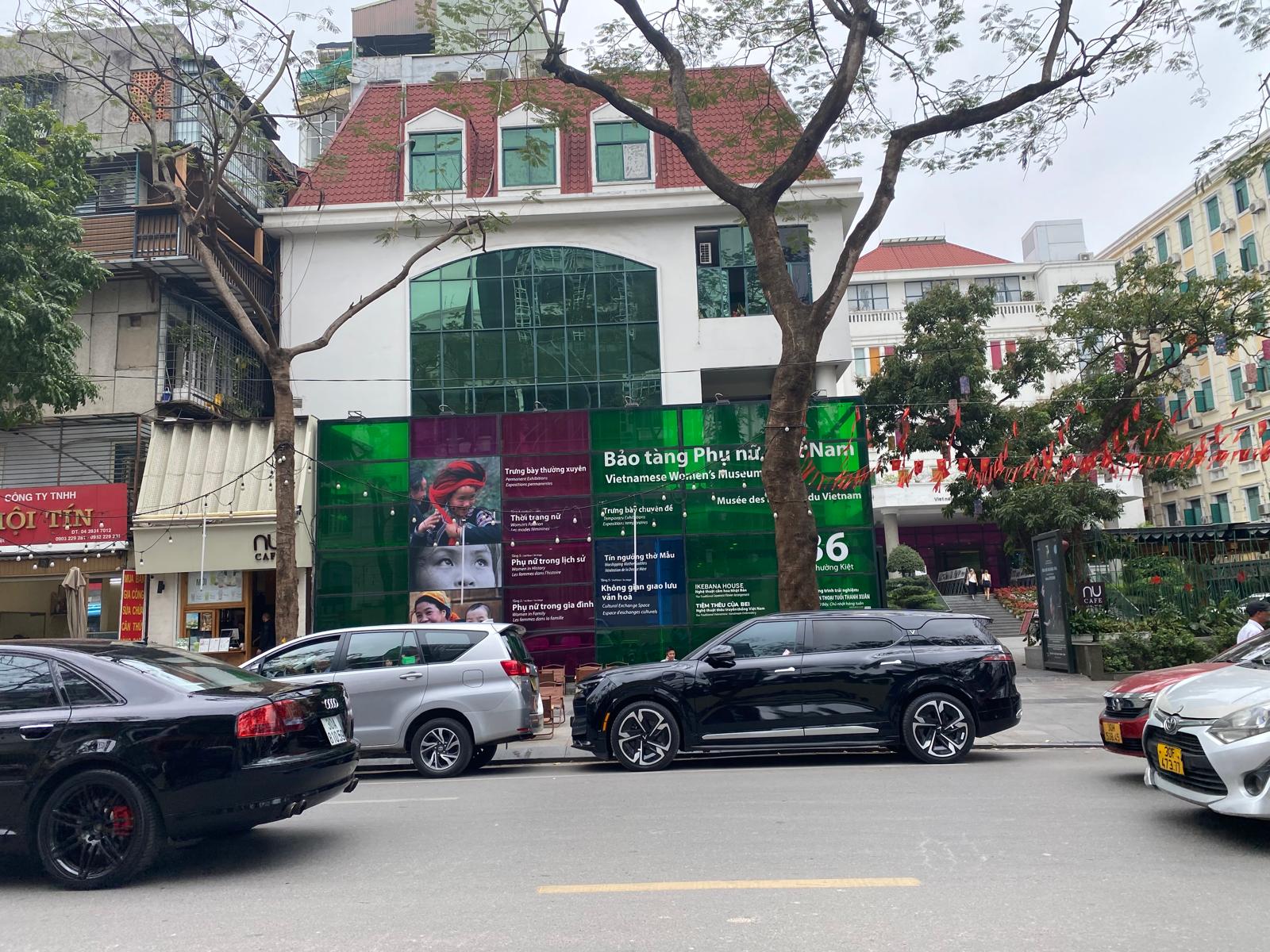
Among the museums she often return to are the Vietnamese Women’s Museum in Hanoi and the Southern Women’s Museum in Saigon. At the former, exhibitions tell of marriage, childbirth, and fashion, but what lingered most were the images of women in war. She could not look away from a photograph of a mother weeping, collapsing into the embrace of her son – once a death-row prisoner – after decades apart. Reading the diary of Dr. Đặng Thùy Trâm, who left this world at only twenty, she felt my throat tighten.
Portraits of Heroic Mothers of Vietnam lined the walls, their eyes carrying the weight of grief unfathomable. Many had lost not one, but every child to the war. What pain could be greater than watching every piece of your heart vanish on distant battlefields, never to return?
At the Southern Women’s Museum, glass cases hold blood-stained clothing of fallen women fighters. They were not only the backbone of the home front, but also warriors at the front lines – building trenches, carrying messages, braving bullets. Their stories, fierce and extraordinary, lit a fire in me. As a Vietnamese woman, she tell herself she cannot waver. she must fight as they once fought.
The War Remnants Museum, Hỏa Lò Prison, the Women’s Museums in Hanoi and Saigon – these are only a few among many places that guard the memory of war. They are not only sites of history, but sanctuaries of remembrance, pride, and strength. Each visit is a reminder: the freedom we inherit was paid with lives, and it demands responsibility from us who remain.
She wondered to herself what little she could contribute today?
She – The Story of Museums
